
Craniosacral Therapy in Essex Junction, VT
Craniosacral therapy at Living Well Center for Integrative Health is a gentle, hands-on treatment that helps calm your nervous system, ease pain, and support deep relaxation from head to toe.
What Is Craniosacral Therapy?
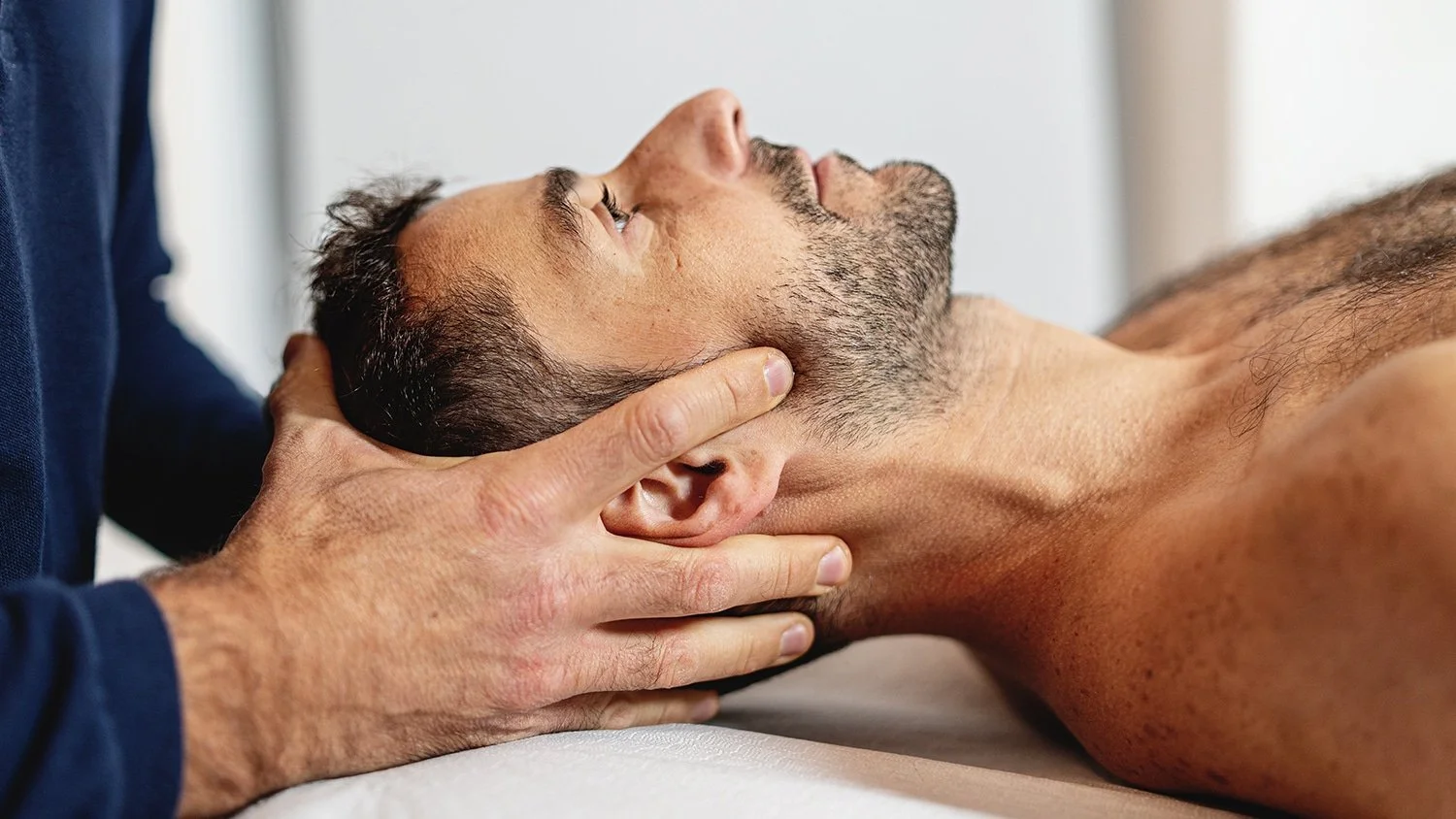
Craniosacral therapy (CST) is a light-touch manual therapy that works with the membranes and fluid surrounding your brain and spinal cord, known as the craniosacral system. Using pressure no heavier than the weight of a nickel, the practitioner feels for subtle rhythms and restrictions, then encourages the body to release tension and self-correct.
A Gentle, Nervous-System-Focused Approach
Instead of forceful adjustments or deep pressure, CST uses soft holds along the skull, spine, sacrum, and other key areas. This quiet work aims to normalize the environment around the brain and spinal cord so your nervous system can function more easily.

Why Choose Craniosacral Therapy at Living Well?
At Living Well VT, craniosacral therapy is part of an integrative care model alongside chiropractic, land-based physical therapy, and aquatic therapy. Sessions are designed for people who want a calm, noninvasive option that still has a meaningful impact on pain, stress, and overall function.
Wayne Villeneuve’s
Craniosacral Focus
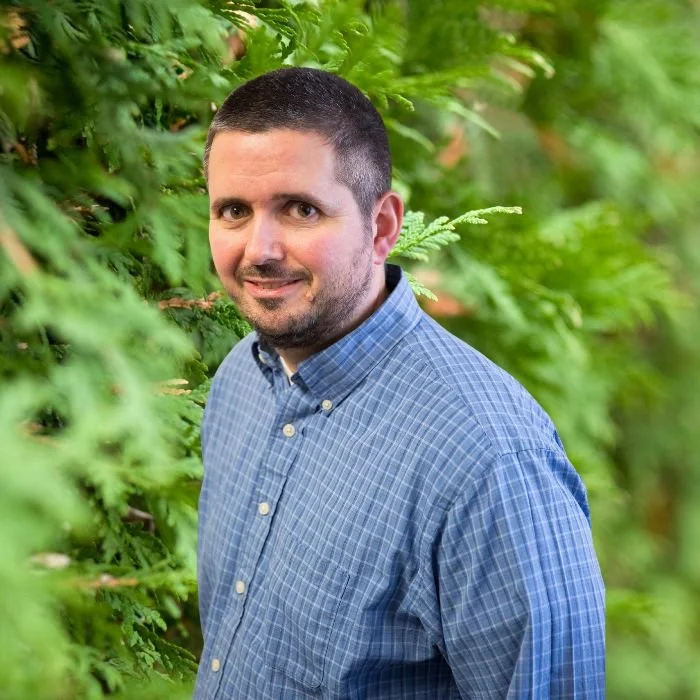
Living Well highlights craniosacral therapy as one of its signature specialties, with Wayne Villeneuve offering this gentle, hands-on technique. His work fits seamlessly into the clinic’s broader philosophy of clear communication, deep listening, and practical strategies for everyday movement and comfort.
Benefits of Craniosacral Therapy
CST is often chosen by people who want to reduce pain and stress without aggressive techniques.
Pain Relief and Tension Release
Helps relieve musculoskeletal tightness in the head, neck, and back, which can soothe headaches and chronic pain.
Can ease restrictions in fascia and soft tissues around the spine, hips, and shoulders, supporting better posture and more comfortable movement.

Craniosacral therapy is considered a complementary therapy and should be used alongside appropriate medical care and diagnosis.
Nervous System Regulation and Stress
Supports a calmer, more regulated nervous system, which may reduce anxiety, overwhelm, and “fight or flight” responses.
Many people report a sense of deep relaxation, improved sleep, and a clearer, more grounded mental state after sessions.
Whole-Body and Long-Term Support
By improving the flow and balance of cerebrospinal fluid, CST is thought to influence multiple systems, including musculoskeletal, digestive, and respiratory function.
Improvements may continue for days or weeks as your body reorganizes, letting go of old tension patterns and integrating healthier movement and alignment.
Conditions Craniosacral Therapy May Help Support
CST is often used as part of a comprehensive plan rather than a stand-alone cure.
Common Reasons People Seek CST
Headaches and migraines
Neck and back pain
TMJ tension and jaw discomfort
Stress-related muscle tightness and fatigue
Additional Supportive Uses
Postural strain and desk-related tension
Sleep difficulties and “wired and tired” feelings
Recovery from minor trauma or whiplash
Emotional stress and nervous system overload

Craniosacral Therapy Safe?
Craniosacral therapy is generally considered safe and noninvasive when performed by a trained practitioner.
Side Effects and Considerations
Some people feel temporarily tired, emotional, or “floaty” after a session as their system recalibrates.
Certain acute conditions may require caution or medical clearance; your practitioner will review your history and refer back to your physician when appropriate.
Who Might Benefit Most?
Individuals who are sensitive to deep pressure or high-force techniques.
People managing chronic stress, pain, or long-standing tension who want a nervous-system-centered option.
Our Essex Junction Location
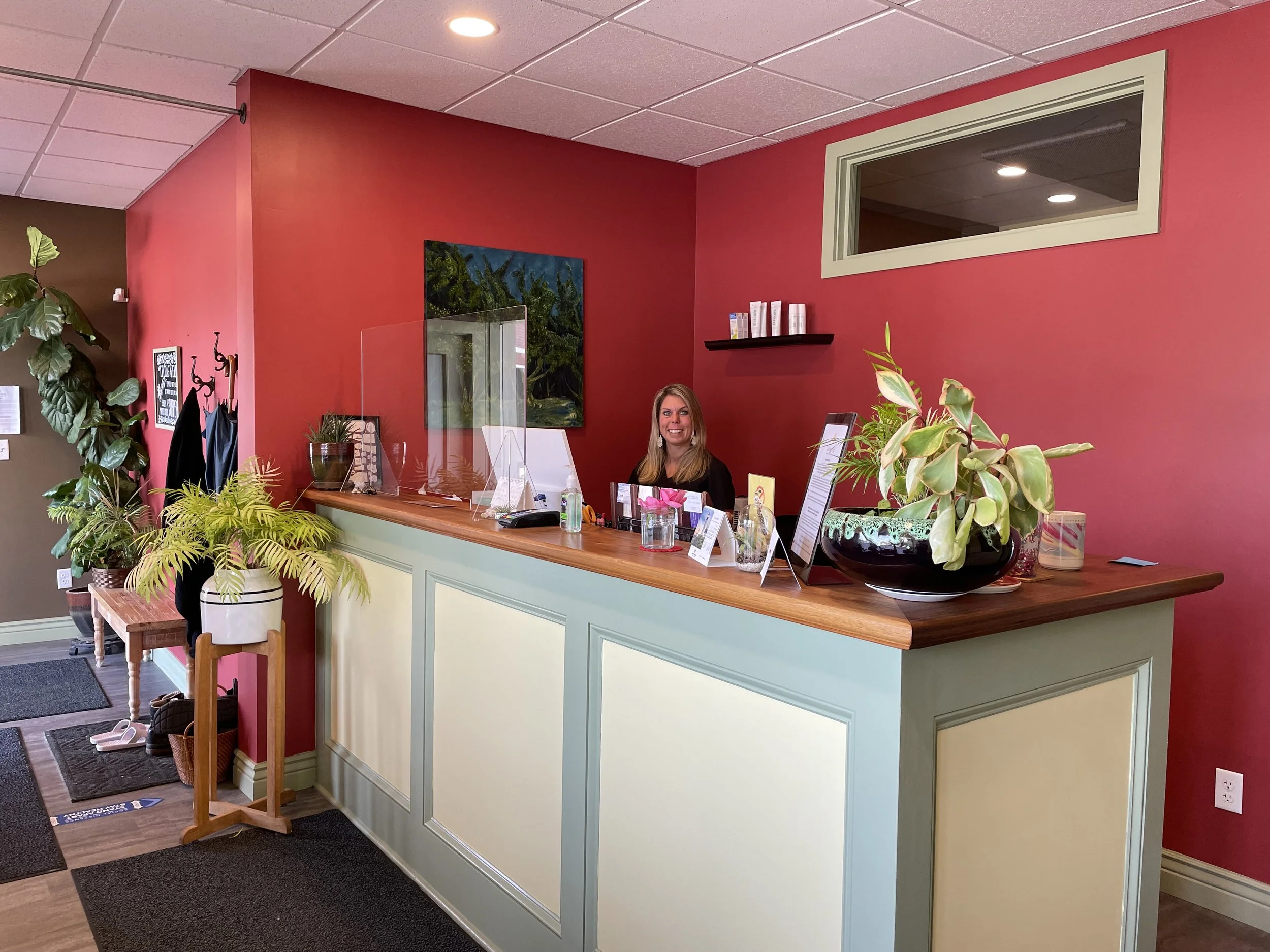
Living Well Center for Integrative Health is located at 1 Market Place in Essex Junction, VT, serving patients from Chittenden County and surrounding communities. The center welcomes individuals of all ages, from active adults and athletes to those managing chronic pain or recovering from injury.
Schedule a Craniosacral Therapy Appointment
If you are curious whether craniosacral therapy is right for you, the next step is a one-on-one evaluation.
How to Get Started
Call our front desk and ask specifically about craniosacral therapy with Wayne Villeneuve and how it can complement your current care plan.
Visit the main Living Well website to learn more about services and request an appointment: New Patient | Existing Patient
Frequently Asked Questions About Craniosacral Therapy
-
CST uses extremely light touch—often less than 5 grams—so it should not be painful. Most people describe the work as gentle, subtle, and deeply relaxing rather than intense.
-
You might feel gentle pressure, warmth, or a sense of soft movement as tissues release, along with overall relaxation or heaviness in the body. Some clients also notice emotions or memories surfacing as their nervous system unwinds.
-
The number of sessions depends on your goals, how long you’ve had your symptoms, and how your body responds. Some people feel significant changes in a few visits, while chronic or complex issues may benefit from a series of sessions integrated with other care.
-
Yes, craniosacral therapy is often paired with chiropractic adjustments, postural work, and physical therapy exercises to address both nervous system regulation and mechanical alignment. Your Living Well team can help you design a plan that blends these approaches in a way that matches your comfort level and goals.
-
Because CST uses such gentle touch, it is commonly used with people of all ages, including children, seniors, and those sensitive to more forceful techniques. Your practitioner will always adjust positioning and session length based on age, health history, and comfort.