

Dry Needling Therapy in Essex Junction, VT
Dry needling at Living Well Center for Integrative Health is a targeted therapy used to help reduce musculoskeletal pain, calm trigger points, and improve movement as part of a comprehensive care plan.
What Is Dry Needling?
Dry needling is a technique where a trained provider inserts very thin, sterile needles into or near myofascial trigger points—commonly known as “muscle knots”—to address pain and movement problems. These trigger points can contribute to local tenderness, referred pain, stiffness, and reduced range of motion.
Unlike injections, no medication is injected; the needles are “dry” and are used to stimulate muscles and nerves to help decrease tightness and discomfort. Dry needling is usually one tool within a larger pain management or rehabilitation program that may also include exercise, stretching, and manual therapy.
How Dry Needling Works
Needles are placed into identified trigger points or tight bands of muscle based on your exam and symptoms.
The stimulation may create a brief local twitch response or deep ache, which is thought to help relax shortened muscle fibers and modulate pain.
This process can decrease muscle tightness, increase blood flow, and reduce local and referred pain, making it easier to move and participate in rehab.

Who Is Dry Needling For?
Dry needling at Living Well is used for patients with musculoskeletal pain and movement limitations where myofascial trigger points are part of the problem. It is considered when conservative care such as stretching, exercise, and manual therapy has not fully relieved symptoms or when additional trigger point work may support progress.
Common conditions
and symptoms
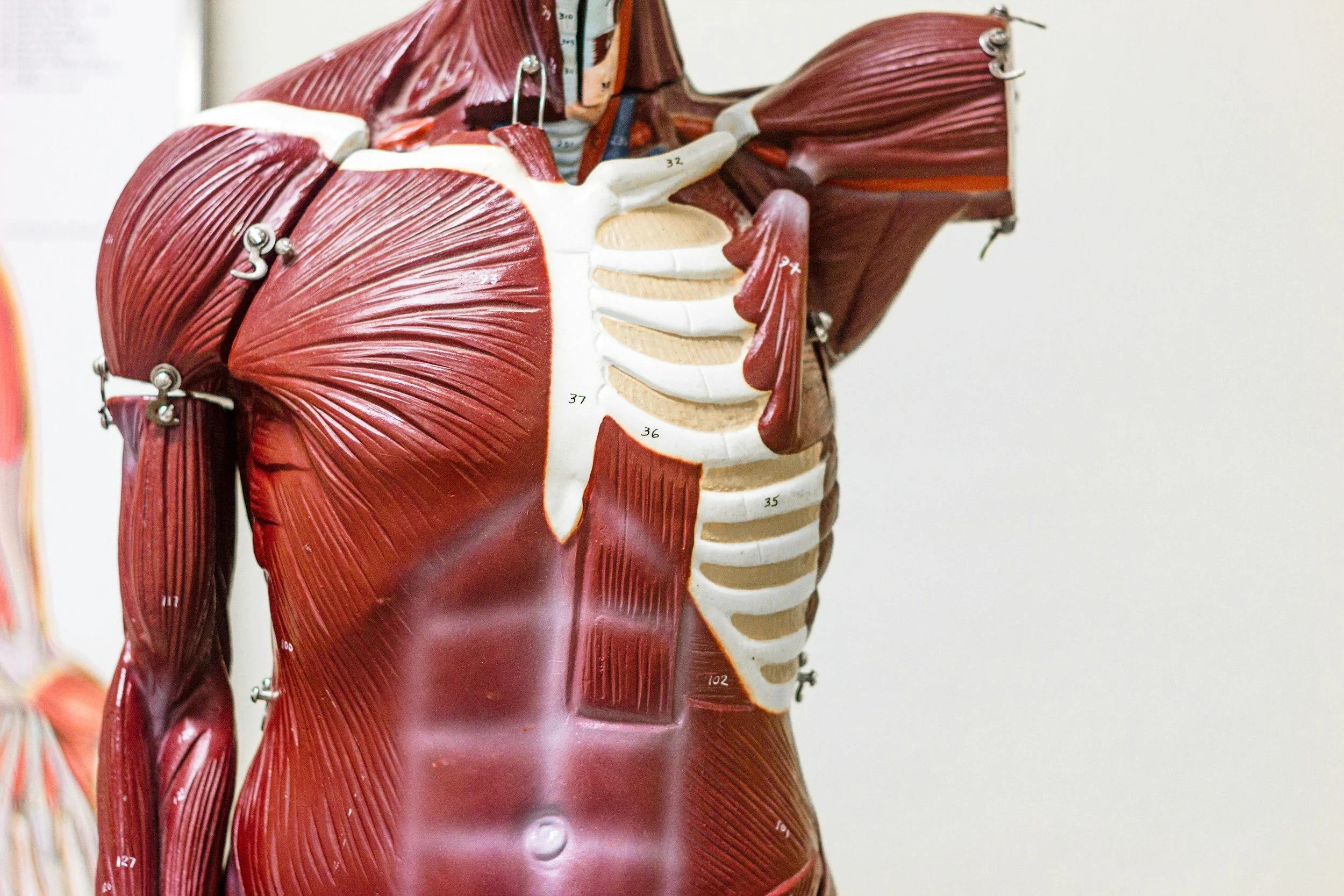
Dry needling may be included in a treatment plan for:
Neck pain and shoulder tension related to trigger points.
Low back pain and hip/gluteal tightness.
Headaches associated with neck and upper‑back muscle tension.
Tendon and overuse problems with associated muscle tightness, such as tennis elbow and plantar heel pain.
Myofascial pain syndromes and persistent “knots” in muscles after injury or repetitive strain.
Dry needling is not a cure‑all and is not appropriate for every diagnosis. Your provider will determine whether it is clinically indicated and how it fits with your overall treatment plan.
Benefits and
Expected Results
Current evidence suggests that dry needling can reduce pain and improve pain pressure thresholds in people with musculoskeletal conditions, especially in the short term, when compared with no treatment or sham interventions. It appears most effective when combined with exercise, education, and other rehab strategies rather than used alone.
Potential Benefits
Patients commonly report:
Reduced local and referred muscle pain and tenderness.
Decreased feeling of “knots” or tight bands in muscles.
Improved range of motion and ability to move more comfortably.
Better tolerance for strengthening, mobility work, and daily activities.
How many sessions might be recommended
Some people notice symptom changes after one or a few sessions, particularly in more recent, localized pain.
Chronic or complex pain often requires a series of treatments integrated with a full rehab plan, not dry needling alone.
Your provider will monitor your response and adjust frequency, muscles treated, and complementary therapies over time.
Safety, Risks, and Who Should Use Caution
When performed by trained clinicians using sterile technique, dry needling is generally considered a low‑risk procedure, but adverse events can occur. Most reported side effects are minor and temporary.
Common, usually mild side effects
Temporary muscle soreness or aching.
Small bruises or minor bleeding where needles were inserted.
Brief lightheadedness or fatigue in some people.
When dry needling may not be appropriate
Dry needling may not be recommended or may require extra caution if you:
Have certain bleeding disorders or take blood‑thinning medications.
Are pregnant, depending on body region and timing.
Have a strong needle phobia or difficulty staying still during procedures.
Have an active infection, open wound, or compromised skin at the proposed treatment site.
Your Living Well provider will help you weigh potential benefits and risks based on your specific health history and goals.
Dry Needling vs. Acupuncture
Dry needling and acupuncture both use thin needles but are based on different frameworks and goals.
Dry needling is grounded in western anatomy, neuromuscular physiology, and trigger point science, targeting specific muscles and myofascial pain.
Acupuncture is based on traditional Chinese medicine and meridian theory and may be applied to a broader range of systemic conditions.
At Living Well, dry needling is used within physical therapy and integrative musculoskeletal care to address pain and movement issues, not as a replacement for acupuncture.
What to Expect During Dry Needling at Living Well
Your first visit
At your evaluation, your provider will:
Review your medical history, medications, and previous treatments.
Assess posture, movement, strength, and areas of tenderness or trigger points.
Discuss the potential role of dry needling, expected benefits, possible risks, and alternatives so you can make an informed decision.
During the procedure
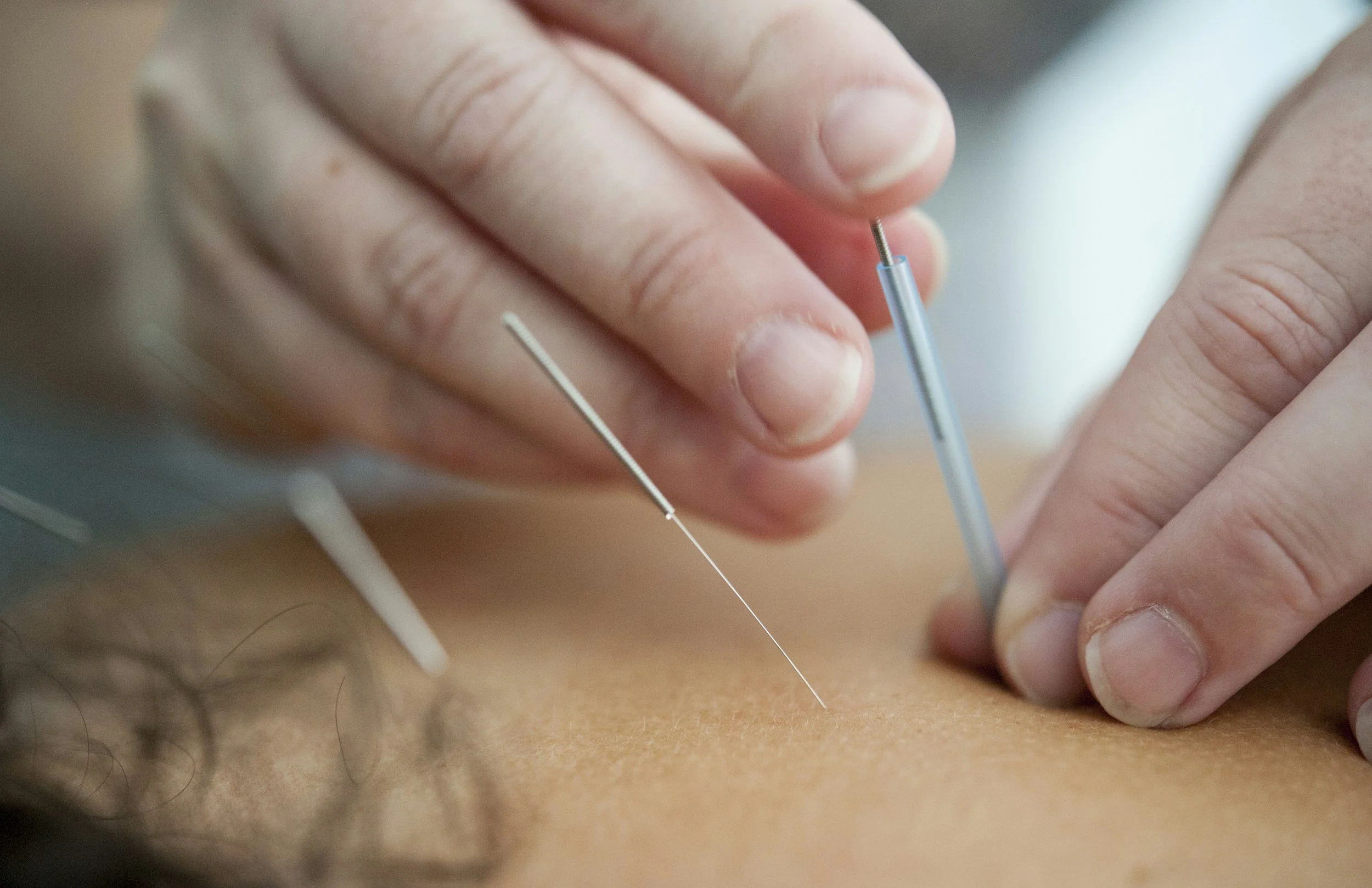
The skin is cleaned, and single‑use, sterile needles are inserted into selected muscles.
You may feel a quick prick and then an ache or twitch in the muscle; this sensation is usually brief.
Depending on the technique, needles may be gently moved, pistoned in and out, or left in place for a short period.
After your session
Mild soreness, heaviness, or fatigue in the treated area for 24–48 hours is common and usually self‑limited.
Light movement, hydration, and gentle stretching are often recommended unless your provider advises otherwise.
You should contact the clinic if you notice unexpected side effects or worsening symptoms.
How Dry Needling Fits Into Integrative Care at Living Well
At Living Well Center for Integrative Health, dry needling is one option within a broader, patient‑centered approach that may also include chiropractic care, physical therapy, manual therapy, therapeutic exercise, and self‑care strategies. It is typically used to complement—not replace—other evidence‑informed treatments.
Your plan may include:
— Individualized exercise and mobility training to support long‑term strength and function.
Hands‑on manual therapy, joint mobilization, and soft‑tissue techniquesr Customer
Education about posture, activity modification, and pacing daily tasks.
Coordination with other Living Well services when appropriate.
The goal is to reduce pain, improve movement, and support your return to the activities that matter most to you, with realistic expectations and careful monitoring of your progress.
Our Essex Junction Location
Living Well Center for Integrative Health is located at 1 Market Place in Essex Junction, VT, serving patients from Chittenden County and surrounding communities. The center welcomes individuals of all ages, from active adults and athletes to those managing chronic pain or recovering from injury.
Schedule an Appointment
If you are curious whether dry needling is right for you, the next step is a one-on-one evaluation.
How to Get Started
Call our front desk and ask specifically about dry needling therapy and how it can complement your current care plan.
Visit the main Living Well website to learn more about services and request an appointment: New Patient | Existing Patient


Frequently Asked Questions About Dry Needling
-
Dry needling is primarily used for musculoskeletal pain and movement issues associated with myofascial trigger points, but those problems can contribute to both muscle and joint‑related symptoms. It is not meant for every type of pain and is usually one part of a broader treatment plan.
-
Dry needling uses solid needles without medication, while trigger point injections involve needles that deliver medication such as anesthetics or steroids. Both aim to address trigger point‑related pain, but they follow different protocols and are performed by different types of providers.
-
Dry needling is typically performed within a standard physical therapy or chiropractic visit rather than as a stand‑alone session. Needle time is usually brief and varies based on the number of areas treated and the specific technique used.
-
Many people experience mild soreness in treated muscles for a day or two, similar to post‑exercise soreness. This typically resolves on its own; your provider will give you after‑care instructions tailored to your situation.
-
Coverage for dry needling differs by insurer and state and may depend on whether it is provided as part of a covered service such as physical therapy. The Living Well team and your insurance provider can help you review your specific benefits and any expected out‑of‑pocket costs.
-
The best way to know is to schedule an evaluation. Your clinician will assess your condition, review your history, and discuss potential benefits, risks, and alternatives so you can decide together whether dry needling should be included in your care plan.