
Flexion-Distraction Therapy: A Gentle Option for Spinal Stenosis and Disc-Related Back Pain
By Lauren Angello, DC
At Living Well Center for Integrative Health in Essex Junction, VT, flexion distraction therapy is one of the gentle, non-surgical chiropractic techniques used to relieve pressure on spinal nerves and discs, improve mobility, and help people with back and neck pain move more comfortably. This approach is especially helpful for conditions like spinal stenosis, disc herniations, and chronic low back pain when patients need a lower-force alternative to traditional manual adjustments.
What is flexion-distraction therapy?
Flexion-distraction therapy is performed on a special segmented treatment table that moves as the chiropractor gently guides the spine through controlled motions. As the table bends and lowers in targeted sections, the spine is carefully stretched and decompressed, creating more space between the vertebrae and reducing pressure on irritated nerves and discs. Because the movements are slow and controlled, flexion-distraction is considered a low-force technique and is often chosen for people who are not comfortable with high-velocity “cracking” adjustments but still need skilled spinal care.
How flexion-distraction helps with back and leg pain
By gently stretching and decompressing the spine, flexion-distraction can:
Reduce pressure on spinal nerves and discs
Decrease bulging from herniated or slipped discs
Improve range of motion and overall spinal mobility
Help manage chronic low back and neck pain
Relieve stiffness and muscle tension
Support better posture and movement patterns over time
Patients often describe flexion-distraction sessions as a comfortable stretching sensation rather than a forceful thrust. As the spine moves through cycles of flexion and distraction, nutrients and fluids can circulate more freely around the discs, which supports disc health and can contribute to longer-term symptom relief.
Conditions flexion-distraction can help treat
At Living Well Center for Integrative Health, chiropractors may integrate flexion-distraction into treatment plans for a variety of spine-related conditions, including:
Lumbar and cervical disc herniations
Spinal stenosis (narrowing of the spinal canal)
Sciatica and radiating leg pain or numbness
Degenerative disc disease
Osteoarthritis-related back pain
Scoliosis-related discomfort
Sacroiliac (SI) joint dysfunction
Certain post-surgical spine cases (when appropriate and cleared by the surgeon)
Because it uses gentle, controlled motion, this technique can be appropriate for many adults who need a softer approach, including some older patients and individuals with higher pain sensitivity.
What a flexion-distraction session is like at Living Well
At our Essex Junction clinic, a typical flexion-distraction session begins with you lying face down on a specialized chiropractic table designed for this technique. Your chiropractor positions the table and then uses their hands to gently guide your spine while the lower segment of the table slowly moves into flexion and back again. These repeated, rhythmic cycles of motion are tailored to your specific condition, comfort level, and goals.
Most patients remain fully clothed, and there is no aggressive twisting involved. Flexion-distraction is often combined with other forms of chiropractic care, soft-tissue work, and integrated physical therapy to address not just the irritated structures in the spine but also the surrounding muscles, posture, and movement patterns that influence pain and function in daily life. Over a series of visits, many people notice gradual decreases in pain and improvements in how they stand, walk, lift, and move at work and at home.
When flexion-distraction might be a good fit
Flexion-distraction may be worth discussing with the chiropractic team at Living Well if you:
Have chronic low back pain, especially with pain, numbness, or heaviness down one or both legs
Have been told you have a disc bulge, disc herniation, or central canal stenosis
Want to explore conservative, non-surgical options before or alongside injections or surgery
Feel anxious about spinal adjustments but still want hands-on care
Are returning to activity after certain spine procedures and have been cleared for gentle mobilization
As with any spine treatment, it starts with a thorough evaluation. Your provider at Living Well will review your medical history, imaging (if available), and goals to determine whether flexion-distraction is appropriate on its own or as part of a broader plan that includes physical therapy, exercise, or co-management with another specialist.
A real-world example: back to work and back to hiking
One of the clearest ways to understand what flexion-distraction can do is to see it in action in a real patient story. At Living Well Center for Integrative Health, flexion-distraction combined with targeted physical therapy helped a 61-year-old Essex Town resident with chronic low back pain and central canal stenosis return to full-time work in retail and get back to the weekend hikes that once brought him peace.
After months of back and leg pain—and even trying injections that did not provide lasting relief—he began a plan that paired flexion-distraction spinal adjustments with strengthening and movement retraining in physical therapy. Over time, this integrated, non-surgical approach allowed him to manage his symptoms, move with more confidence, and return to the activities he values most.
You can read our spinal stenosis and hiking case study to see how flexion-distraction and physical therapy worked together for this patient —. READ IT HERE.
Bringing it together: education, real results, and next steps
Flexion-distraction therapy is not a one-size-fits-all cure, but it is a powerful tool for many people dealing with stenosis, disc issues, and chronic low back pain who want a gentler way to start or continue chiropractic care. At Living Well Center for Integrative Health in Essex Junction, this technique is thoughtfully integrated with physical therapy, movement retraining, and, when needed, coordination with other providers to support long-term function, not just short-term relief.
Ready to Experience the Living Well Approach?
Take the first step toward better movement and lasting relief.
Call 802-658-6092 or schedule your visit online to discover how chiropractic and physical therapy can work together to help you heal smarter and live well.
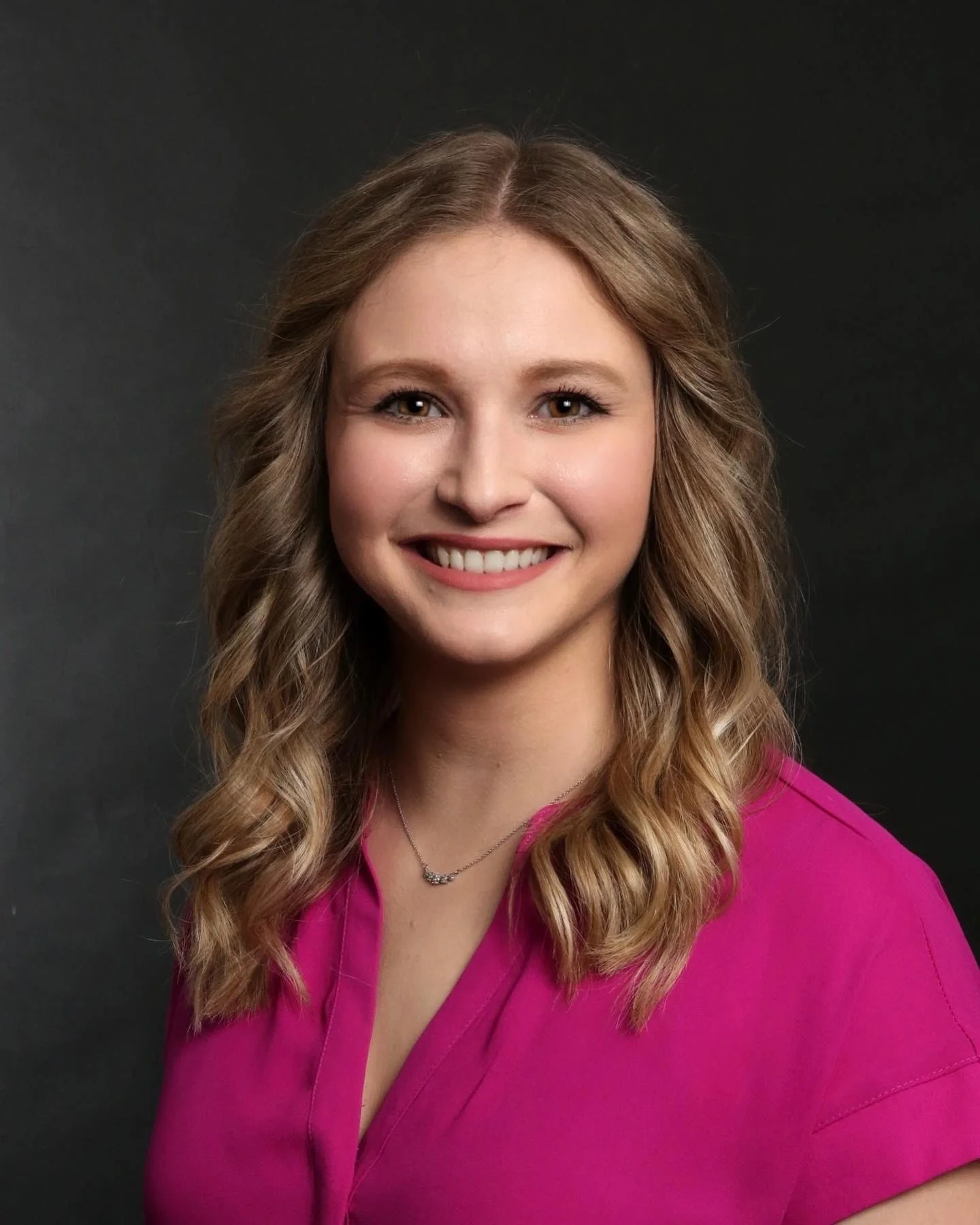
LAUREN ANGELLO, DC
Dr. Lauren is passionate about integrating chiropractic care with other healthcare disciplines to help her patients attain their health objectives.
LEARN MORE→