
Postural Restoration®: How Breathing and Alignment Support Pain Relief
An Integrative Approach to Posture, Breathing, and Movement Function
By Wayne Villeneuve, PT
What Is Postural Restoration?
Postural Restoration® is an approach to rehab that looks at how your whole body works together—your posture, breathing, and movement patterns—rather than focusing on a single painful area. Postural Restoration® was developed in Lincoln, Nebraska in 2000 by Ron Hruska, MPA, PT and is now a treatment concept used around the world to address pain and impaired movement.
Instead of trying to “force” a perfect posture, the goal is to help your body move and breathe more efficiently, so you can sit, stand, walk, and exercise with less strain. Such programs have been shown to improve pain, function, and cervical range of motion over time.
Why Breathing and Alignment Matter
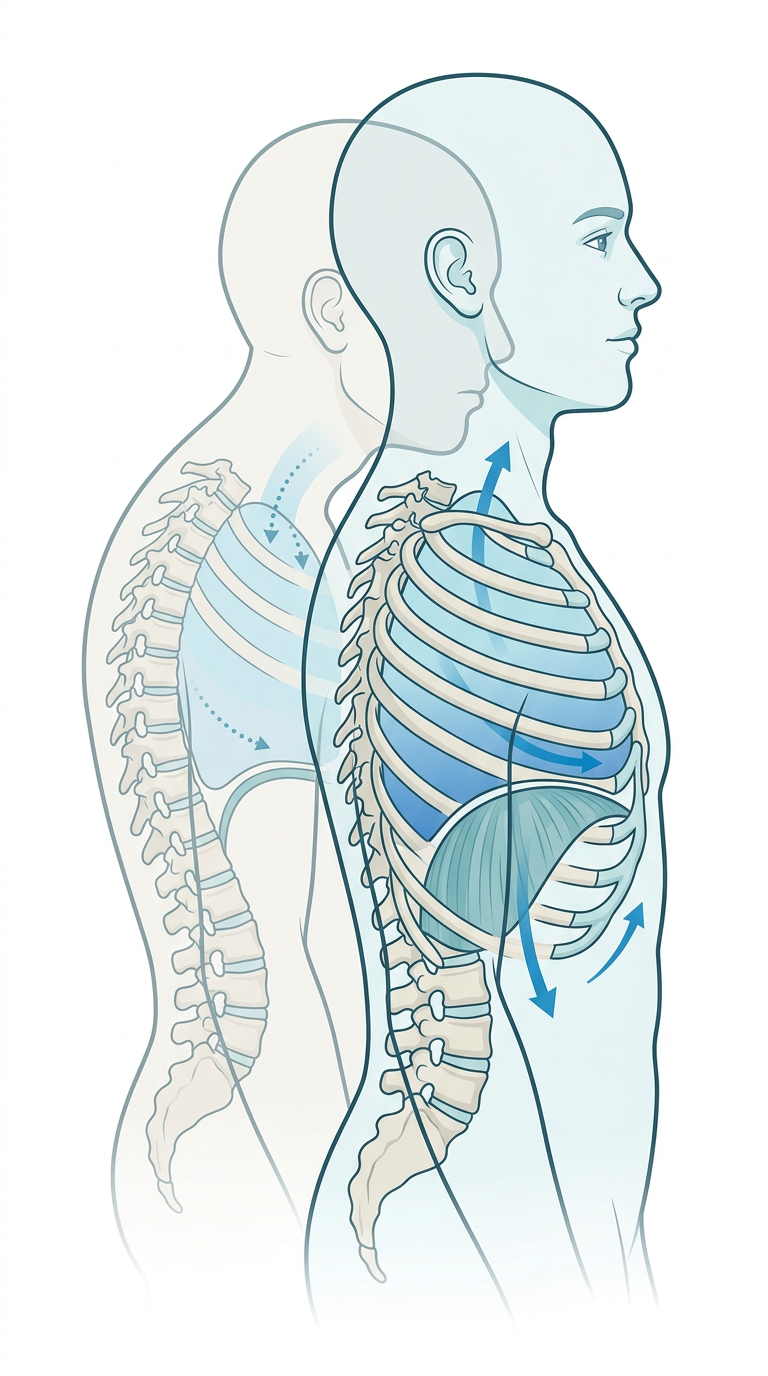
Your diaphragm (the main breathing muscle) plays a key role in how your spine and ribcage are supported. When breathing mechanics are limited, it can change how you hold your head, neck, and back, contributing to excess tension and fatigue.
Emerging evidence suggests that rehabilitation programs incorporating breathing-focused exercises can improve aspects of postural alignment and may reduce neck pain and disability in some patients. By pairing better breathing with improved alignment, many people feel more stable and less guarded when they move. These Postural Restoration® breathing strategies can help reduce tension and improve functional posture over time.
How Postural Restoration Is Used in Care
At Living Well Center for Integrative Health, Postural Restoration concepts are blended into chiropractic care and physical therapy rather than treated as a stand-alone “quick fix.” This may include:
Gentle, hands-on techniques to improve rib, spine, and pelvic mobility
Breathing activities that teach the diaphragm and trunk muscles to share the workload
Targeted exercises to balance overused and underused muscle groups
Education on day-to-day posture, work setup, and movement habits, in line with spine-focused patient resources from orthopedic physical therapy organizations.
These strategies are informed by postural rehabilitation literature and case reports describing Postural Restoration as an advanced, individualized physical therapy approach. At Living Well Center for Integrative Health, our physical therapy and chiropractic providers integrate Postural Restoration® concepts into personalized treatment plans.
What Patients Can Expect
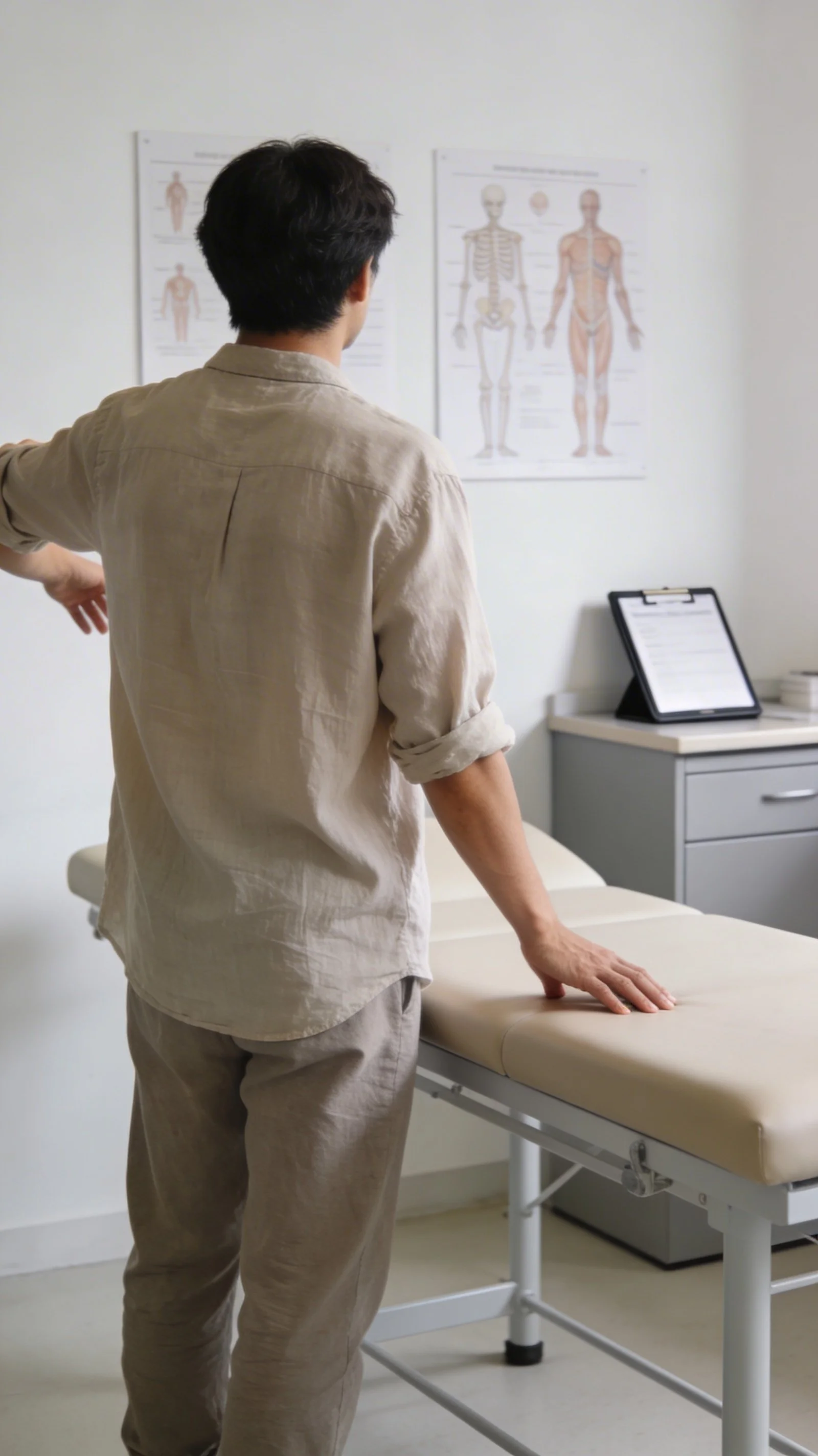
A typical session may involve a combination of assessment, guided exercises, and home program updates tailored to your symptoms and goals. Many programs emphasize consistent practice over time, which aligns with findings that postural rehabilitation and movement-based approaches can support longer-term improvements in pain and function for chronic conditions.
Because each person’s posture and breathing patterns are unique, your chiropractor and physical therapist at Living Well will collaborate to determine whether Postural Restoration strategies are appropriate alongside other evidence-informed treatments.
Postural Restoration®, Postural Restoration Institute®, and PRI®
are registered trademarks of Postural Restoration Institute, Lincoln, NE.
Ready to Experience the Living Well Approach?
Take the first step toward better movement and lasting relief.
Call 802-658-6092 or schedule your visit online to discover how chiropractic and physical therapy can work together to help you heal smarter and live well.

Wayne Villeneuve - MPT
Wayne, a consummate professional in the field of Physical Therapy, has a rich educational background. He successfully completed his Master's degree in Physical Therapy from the revered Ithaca College, a renowned institution that helps aspirants reach their optimum potential and acquire the necessary skills in their chosen fields. This foundation propelled Wayne toward a fulfilling career in Physical Therapy.
LEARN MORE→