
Shoveling Snow Without the Pain: A Physical Therapy Perspective
By Veroncia Paquette
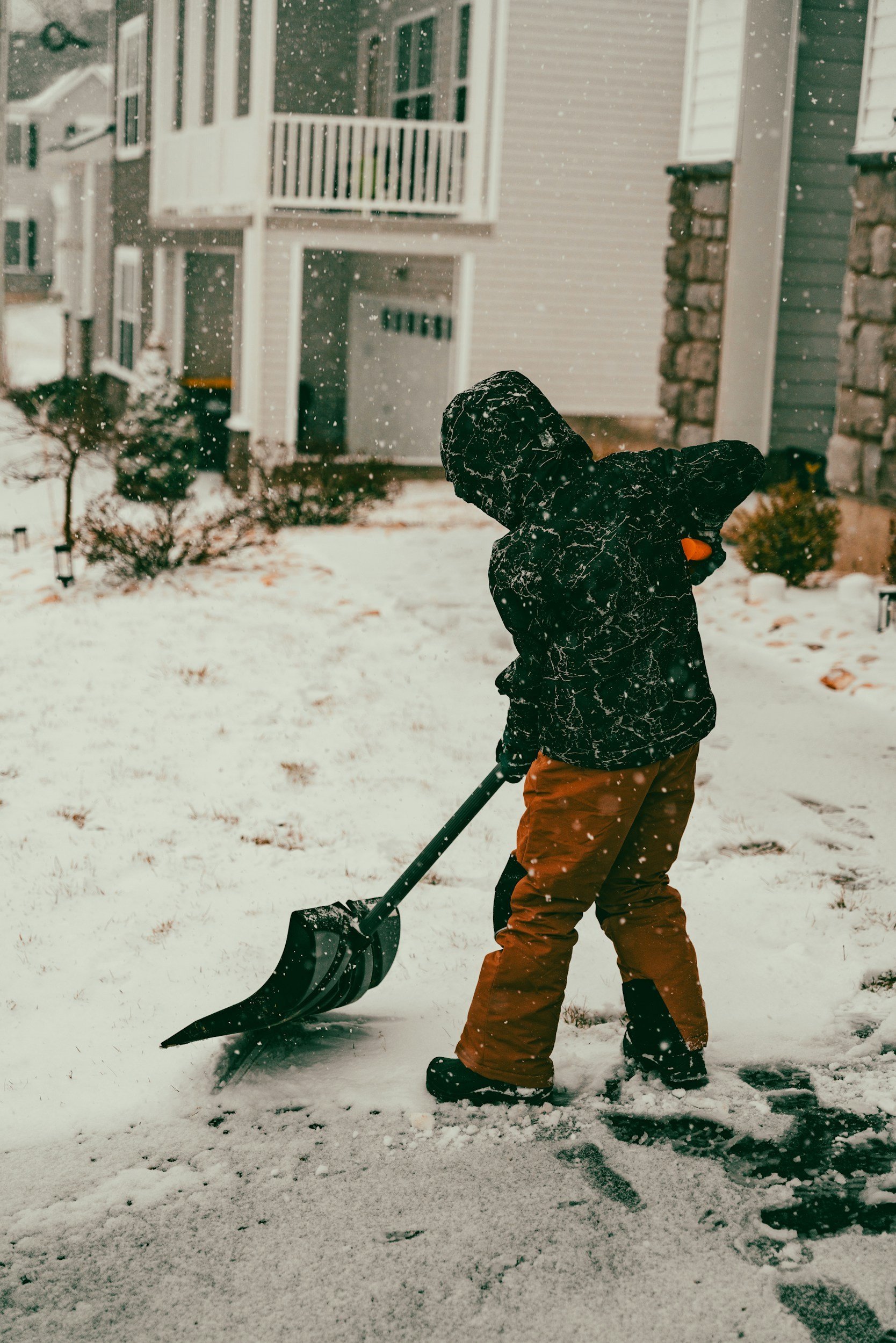
Winter in Vermont brings breathtaking snowy landscapes—but it also brings one of the most common causes of winter back injuries: shoveling snow. Every year, our physical therapy and chiropractic care team at Living Well Center for Integrative Health in Essex Junction, VT treats an uptick of back, neck, and shoulder pain caused by improper technique and overexertion while clearing driveways and sidewalks.
The good news? Most snow-shoveling injuries are preventable with the right preparation, posture, and body awareness.
Why Shoveling Snow Is Hard on Your Body
Shoveling is a full-body task that combines several risk factors for injury:
Repetitive bending and twisting motions
Lifting heavy, wet snow
Cold Vermont temperatures that tighten muscles and joints
Sudden, unaccustomed physical exertion
These physical stresses strain the spine, shoulders, hips, and knees, leading to muscle strains, joint pain, and disc problems—especially in those with a history of low back pain or neck stiffness.
Common Winter Injuries After Snowstorms
Our physical therapists (and chiropractors) frequently treat winter-related injuries such as:
Low back strain and muscle spasms
Herniated or bulging discs
Shoulder and rotator cuff injuries
Neck pain and stiffness
Hip and knee pain linked to poor body mechanics
Often, these injuries come not from a single lift but from repetitive poor movement patterns or overuse.
How to Shovel Snow Safely: Expert Advice from Our Vermont Physical Therapy Team
1. Warm Up First
Cold muscles are far more injury-prone. Before grabbing the shovel:
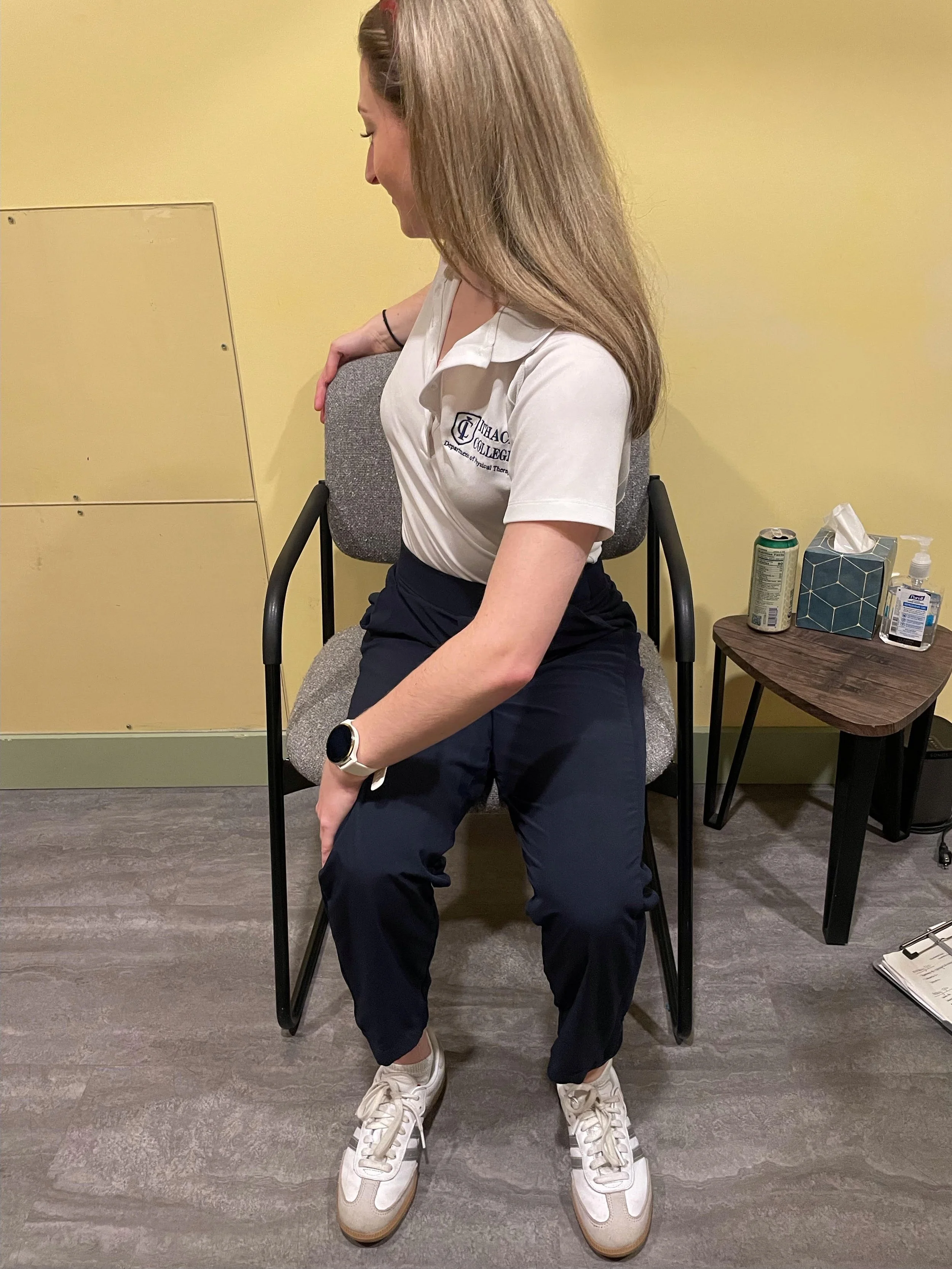
March in place or do light cardio for 2–3 minutes
Gently rotate your torso and stretch your shoulders
Loosen up your hips, hamstrings, and lower back
Think of shoveling as a winter workout—it deserves a proper warmup.
2. Focus on Proper Body Mechanics
Keep your chest upright and engage your core
Bend with your knees and hips, not your lower back
Hold the shovel close to your body for stability
Avoid twisting—pivot your feet instead
Let your leg muscles do the work, not your spine.
3. Push Instead of Lifting
Whenever possible, push snow rather than lift it. If lifting is unavoidable:
Lift smaller amounts at a time
Exhale as you lift
Place snow gently rather than throwing it
This strategy helps reduce back strain and spinal compression.
4. Pace Yourself and Take Breaks
Overexertion injuries are common during long shoveling sessions. Take short breaks every 10–15 minutes to prevent fatigue, especially during heavy, wet snowfall.
5. Use the Right Snow Shoveling Equipment
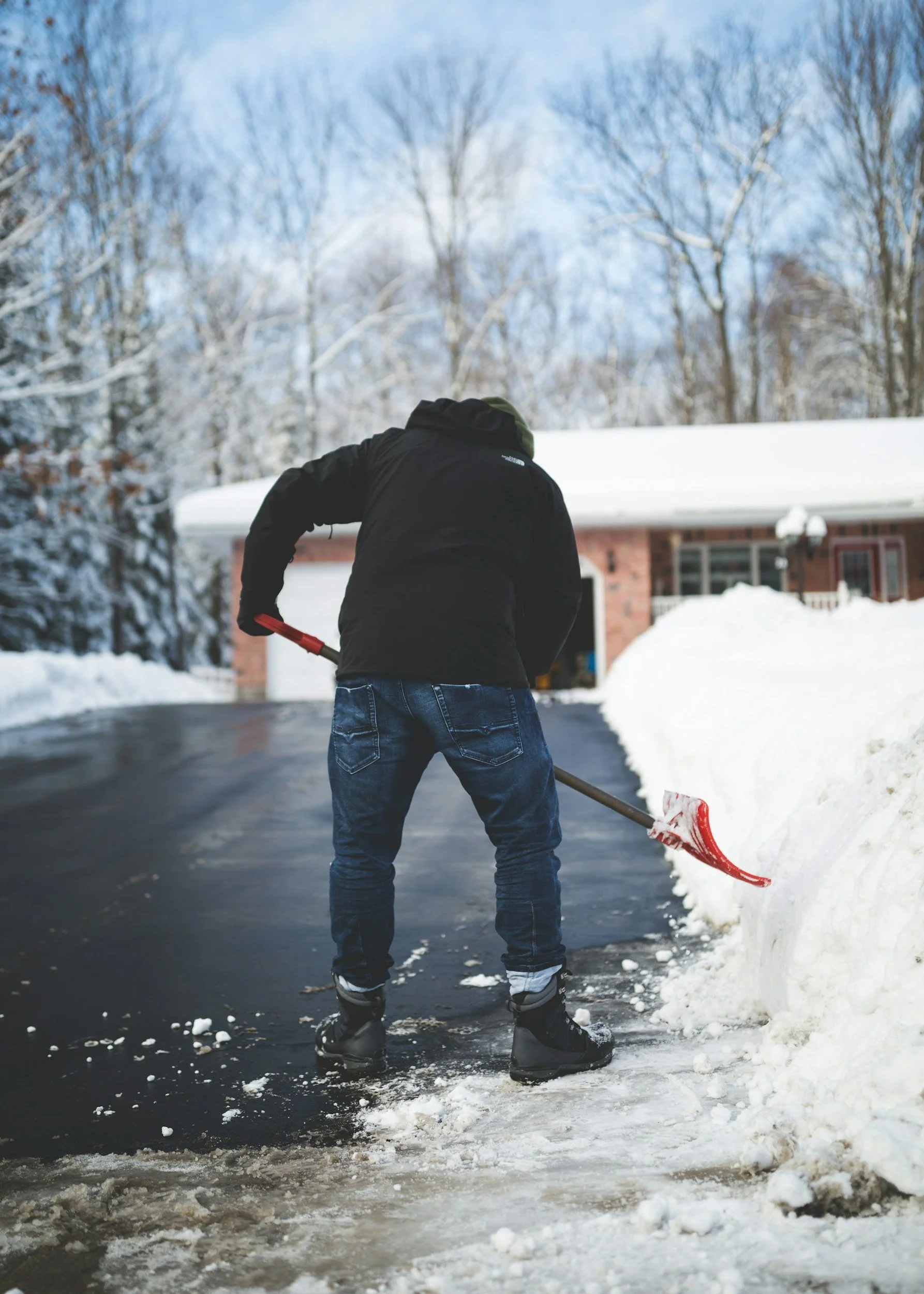
Choose an ergonomic snow shovel with a lightweight design
A curved handle helps minimize bending
Wear supportive winter boots with good traction to prevent slips
When to Stop and Seek Help
Pause immediately if you experience:
Sharp, persistent pain
Tingling, numbness, or weakness in your arms or legs
Lightheadedness or shortness of breath
Ignoring pain can turn a minor strain into a chronic back or neck injury.

How Chiropractic and Physical Therapy Care Can Help
If you develop pain after shoveling—or want to prevent it—our Living Well Vermont physical therapy and chiropractic care specialists can help with:
Spinal alignment and posture correction
Manual therapy and soft-tissue mobilization
Core strengthening and injury prevention exercises
Guidance on safe lifting and ergonomic technique
Addressing underlying joint restrictions or muscular imbalances
Early intervention promotes faster recovery, reduces inflammation, and helps restore pain-free movement.
Protect Your Back This Vermont Winter
Snow shoveling doesn’t have to lead to pain or injury. With proper technique and regular chiropractic or physical therapy care, you can stay active and healthy all winter long.
If you’re dealing with lower back pain, shoulder stiffness, or neck discomfort after shoveling, our integrated care team at Living Well Center for Integrative Health in South Burlington, VT is here to help.

Ready to Experience the Living Well Approach?
Take the first step toward better movement and lasting relief.
Call 802-658-6092 or schedule your visit online to discover how chiropractic and physical therapy can work together to help you heal smarter and live well.
Schedule a physical therapy or chiropractic appointment today to restore mobility, relieve pain, and keep your body feeling strong all season.
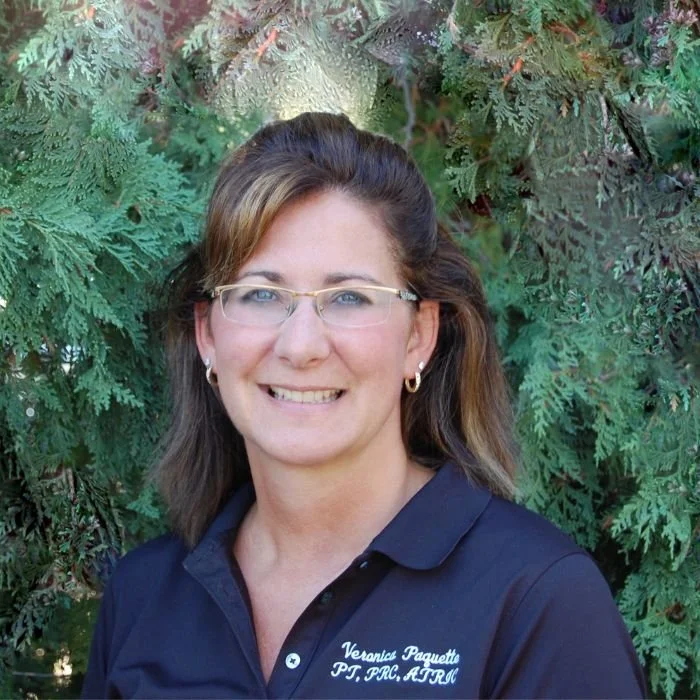
Veronica Paquette — PT, PRC
Veronica graduated from the University of Vermont's physical therapy program. Throughout the first decade of her career, she completed several rotations at the UVM Medical Center, working in acute care, orthopedics, subacute rehab, general outpatients, work conditioning programs, and aquatic therapy. This experience provided Veronica with a comprehensive generalist physical therapy background.
LEARN MORE→